


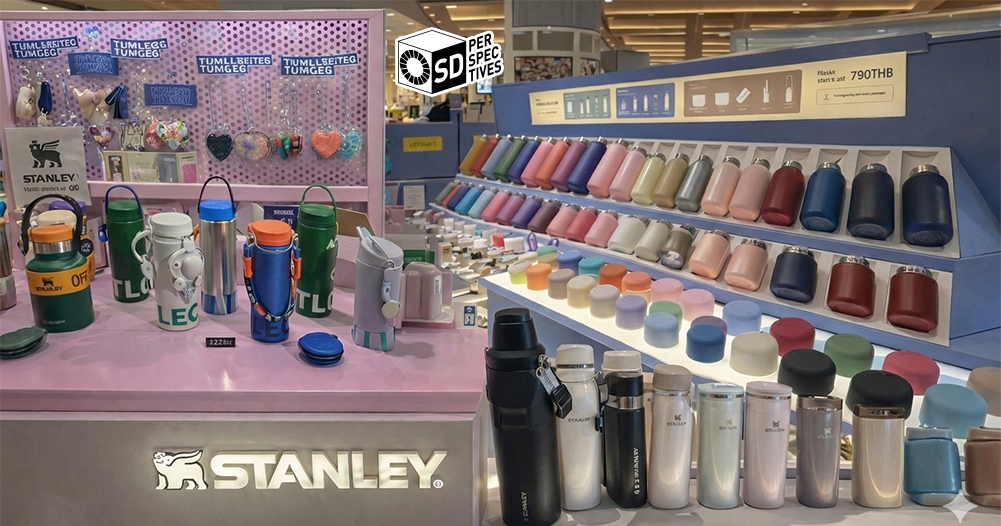
Bangkok,January 4,2026…Reusable water bottles have undergone a clear market repositioning over the past decade, evolving from functional environmental substitutes into lifestyle-driven consumer products. What began as an effort to reduce single-use plastic has increasingly become a reflection of personal identity, design preference, and everyday consumption behavior particularly in urban markets.

Globally, the reusable water bottle market is estimated to be worth approximately USD 10.17 billion in 2025 and is projected to expand to over USD 15.27 billion by 2034, according to Precedence Research. Growth is supported by rising environmental awareness, health-conscious consumption, and the gradual shift away from disposable packaging.
The case of Hydro Flask in international markets illustrates this transition particularly well. Several product launches have gone viral on social media, selling out within a short period and being discussed primarily as lifestyle items rather than environmental products. This phenomenon signals a broader shift in market perception: reusable water bottles are no longer viewed solely as substitutes for plastic bottles, but as objects closely tied to identity, popularity, and contemporary consumer culture.
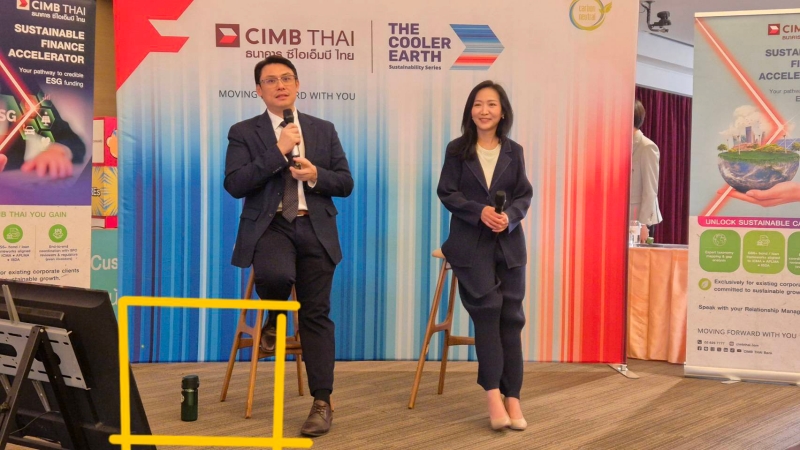
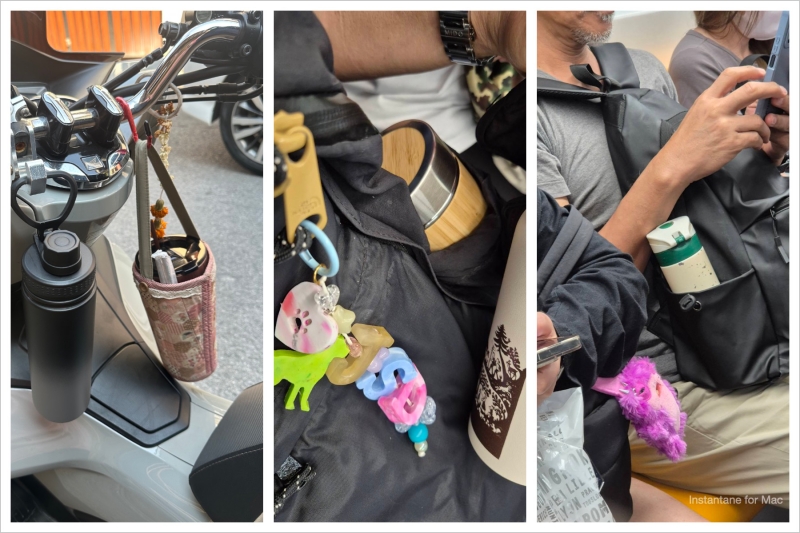
This growth, therefore, is not driven by environmental considerations alone. Increasingly, brands compete on design language, color palettes, limited editions, and personalizationpositioning reusable bottles as everyday lifestyle accessories. Well-known names such as OWALA, STANLEY, and YETI all familiar to Thai consumers demonstrate how functionality has merged with cultural relevance.
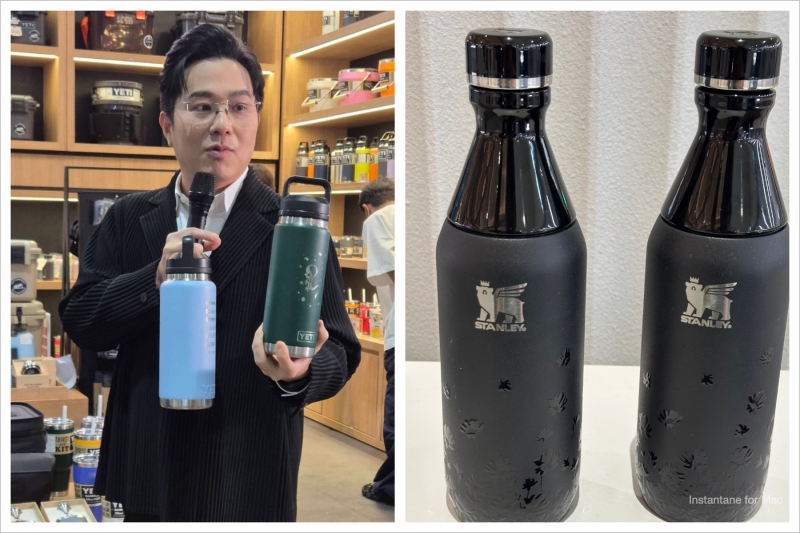
OWALA has gained traction through contemporary aesthetics and user-friendly design aligned with urban routines. STANLEY has successfully repositioned its drinkware as a fashion forward statement through seasonal colors and lifestyle collaborations. YETI, while maintaining its premium positioning around durability and performance, has increasingly expanded into urban and lifestyle segments beyond its traditional outdoor core.
Thailand reflects this global shift, even though there is still no official market valuation specifically for reusable water bottles. The category remains fragmented across houseware, lifestyle, outdoor, and premium gift segments. Nevertheless, retail indicators point to sustained momentum rather than a short-lived trend: expanded shelf space, frequent color refreshes, interchangeable accessories, and personalized engraving services have become increasingly common across major shopping centers and lifestyle retailers.
Importantly, Thailand’s adoption of reusable drinkware predates the COVID-19 pandemic. As early as 2013, Starbucks Thailand introduced a discount incentive for customers bringing personal cups, helping normalize reusable drinkware within everyday café culture. This behavioral foundation later allowed pandemic driven hygiene concerns and corporate Zero Waste initiatives to accelerate adoption rather than initiate it from scratch.
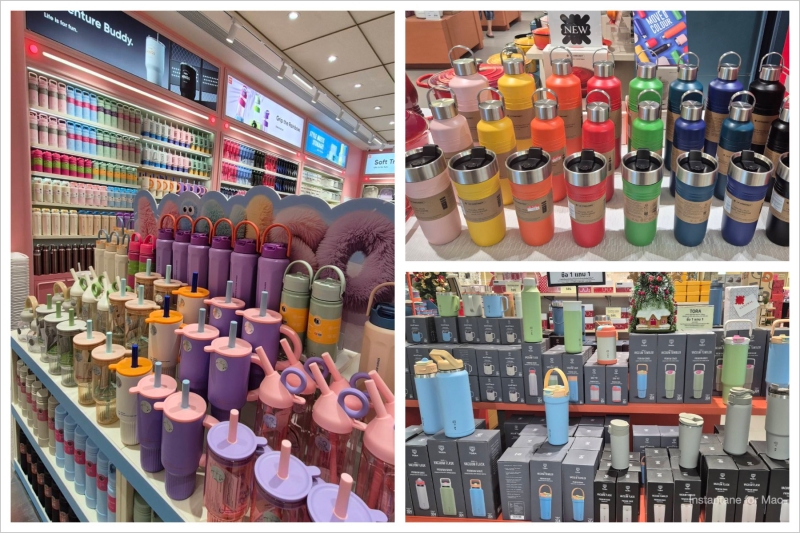
From an investor perspective, reusable water bottles represent more than a niche sustainability product. They function as a behavioral bridge between environmental policy, corporate ESG initiatives, and lifestyle-driven consumer markets.
However, the category also presents a structural challenge: if growth is driven primarily by fast moving trends and frequent repurchasing, environmental benefits may erode. Long-term value creation will therefore depend on brands’ ability to emphasize durability, repairability, and prolonged use alongside design and marketing.
The reusable water bottle market illustrates a broader transition in sustainability economics where cultural relevance, consumer identity, and everyday habits increasingly shape environmental outcomes as much as regulation or corporate commitments.