

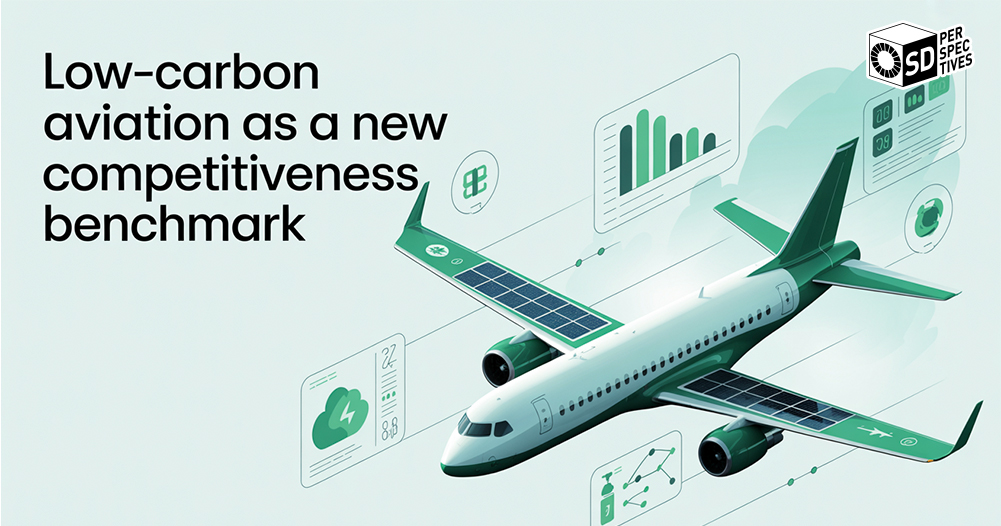
Bangkok,January 1,2026…Low-carbon aviation is no longer a discretionary sustainability initiative it is rapidly becoming a mandatory pathway for the global airline industry.
The emergence of flight booking platforms that display CO2e emissions per route, including options that reduce emissions by approximately 8% compared with conventional flights, signals a structural shift rather than a short-term environmental trend. This transition is being driven by tighter climate regulation, rising ESG disclosure expectations, and long-term investor scrutiny, particularly in Europe.
Airlines operating routes into the European Union are already adjusting their business models. The strategic focus is shifting from carbon offsetting toward real emissions reduction, with Sustainable Aviation Fuel (SAF) playing a central role. Under the EU’s ReFuelEU Aviation framework, mandatory SAF blending requirements will gradually increase, creating direct cost and compliance implications for airlines serving the region. Early adopters are integrating SAF into selected routes, modernising fleets, and improving operational efficiency to manage rising transition costs.
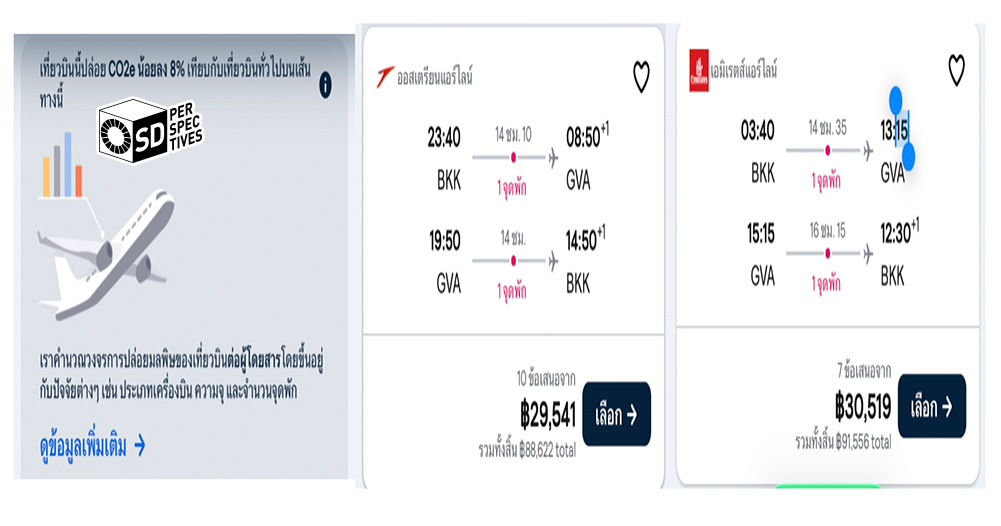
From a pricing perspective, sustainability-related costs are increasingly being embedded into airfares, though not through abrupt or uniform increases. Many airlines are adopting voluntary models, offering passengers the option to choose lower-carbon flights or pay premiums to support SAF usage, while maintaining standard fares for price-sensitive travellers. Although SAF currently costs significantly more than conventional jet fuel, its long-term cost curve is expected to improve as production capacity scales and supply chains mature.
From an ESG standpoint, the transition presents both opportunity and risk. Environmentally, SAF can reduce lifecycle emissions by up to 70–90% compared with fossil jet fuel. Socially, it supports the development of new bioenergy and advanced fuel industries. In governance terms, airlines with credible transition strategies and transparent disclosures are better positioned to attract long-term capital. However, 2026 will serve as a critical stress test, particularly in terms of SAF availability, cost absorption, and the ability to communicate sustainability costs amid ongoing global inflationary pressures.
For Thailand, the implications extend beyond airlines to the broader energy and refining sector. Investments in domestic SAF production—alongside biorefineries, biochemicals, and bio-polymers—are emerging as strategic infrastructure for a low-carbon economy. The key question for investors is whether Thai companies can scale production competitively and secure policy continuity, enabling the country to move from a follower to a regional player in the SAF value chain.
For capital markets, low-carbon aviation is becoming a practical indicator of long-term competitiveness. Companies that adapt early, secure resilient energy supply chains, and align ESG strategy with regulation are likely to outperform peers as the industry approaches a decisive transition point in 2026.