

Bangkok 31,Decemer 2025…As pressure mounts around ESG disclosure, climate regulation, and rising nature-related risks, listed companies are increasingly seeking credible nature-based infrastructure to support both emissions mitigation and long-term biodiversity risk management.
One organization frequently chosen as a long-term implementation partner is Mae Fah Luang Foundation under Royal Patronage. Beyond forest conservation, the foundation has developed a practical, field-tested ecosystem that integrates community forests, carbon credits, biodiversity data, and internationally aligned research into a single operational platform.
For the corporate sector, this model addresses three strategic priorities.
First, it provides credible carbon credits derived from community-managed forests with long-term stewardship and verifiable monitoring.
Second, it helps companies mitigate ESG and nature-related risks, particularly in relation to Scope 3 emissions and the growing expectations of institutional investors.
Third, it enhances organizational readiness for emerging global frameworks and regulations that increasingly emphasize biodiversity and nature-based solutions.
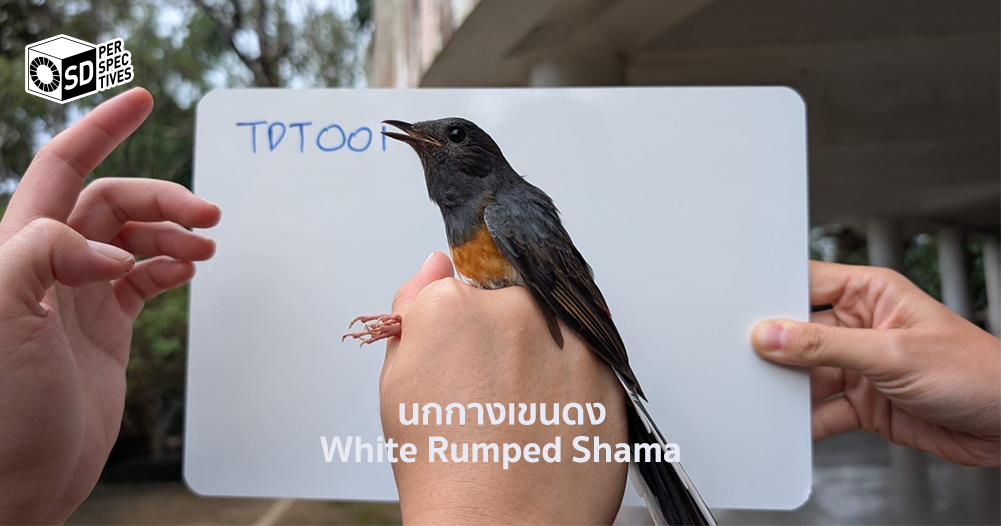
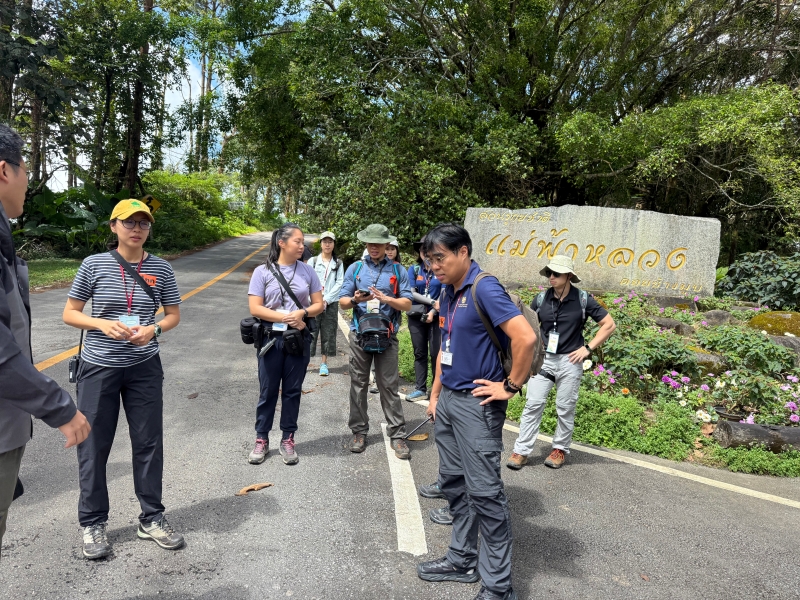
Insights from the Doi Tung Development Project and associated community forest areas where the foundation works alongside academic institutions, government agencies, and international partners such as the National University of Singapore—demonstrate that community-driven forest restoration can deliver measurable ecological outcomes. Advanced tools including bioacoustics monitoring, environmental DNA (eDNA), and machine learning analysis have been deployed to strengthen data transparency and scientific credibility.
For investors, this signals a structural shift. Carbon credits and nature-based projects are no longer peripheral CSR initiatives; they are becoming core components of corporate ESG strategy and risk management, particularly for sectors exposed to environmental and supply-chain vulnerabilities.
In this context, the Mae Fah Luang Foundation’s role extends beyond that of a conservation organization. It functions as a provider of nature-based infrastructure, enabling companies to integrate carbon, biodiversity, and ecosystem resilience into long-term ESG and business strategies.